Biochar
Carbon removals you can measure, use & verify
Turning sustainably grown biomass into certified long-duration carbon removal. Aligned with international standards & built on local, transparent supply chains
-
Permanent Storage
-
Full Traceability
-
Community Benefit
-
Intergenerational Wellbeing
-
Permanent Storage
-
Full Traceability
-
Community Benefit
-
Intergenerational Wellbeing
What is Biochar?
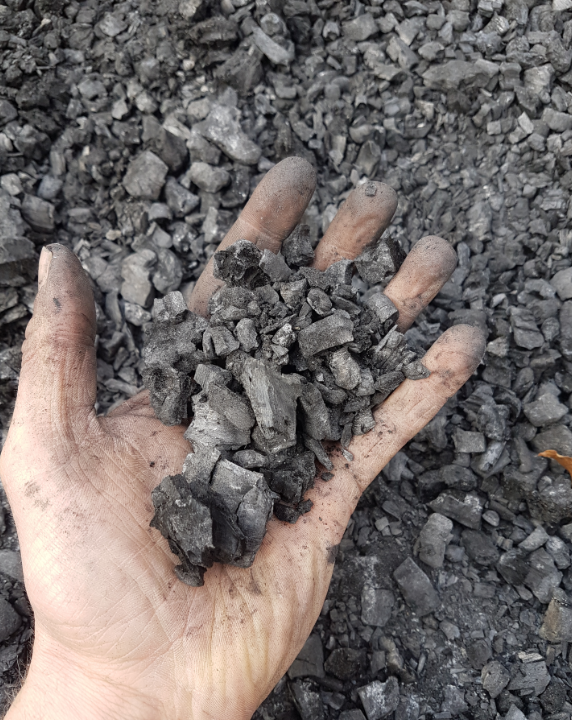
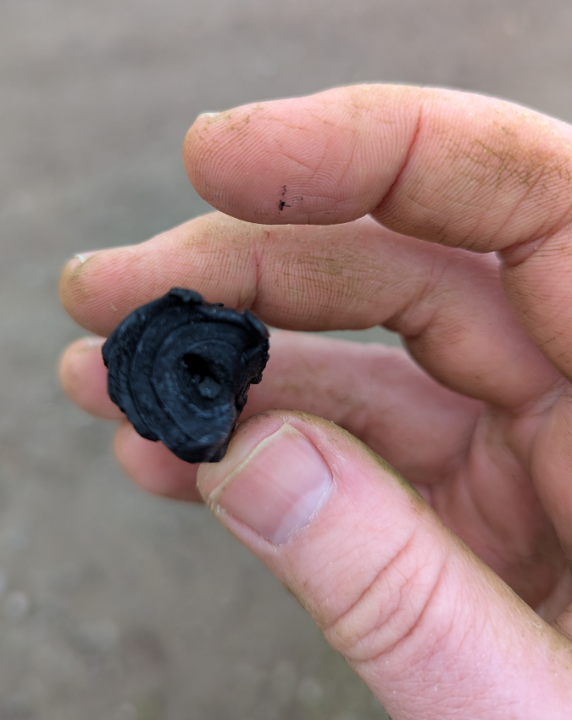
Biochar is a stable, carbon-rich material made by heating biomass — usually wood or crop residues — in a low-oxygen environment. This process concentrates the carbon originally captured by trees and plants, transforming it into a solid form that resists decay for centuries or even millennia.
Although biochar resembles charcoal, its purpose is very different. Instead of being burned as a fuel, biochar is used as a tool for long-term carbon storage and soil improvement. When added to soil, it increases fertility, retains water, supports beneficial microbes and makes farming systems more resilient. Most importantly, its structure locks carbon safely out of the atmosphere far beyond the lifespan of the plants it came from.

How Biochar Removes & Stores Carbon
Plants absorb carbon dioxide from the atmosphere as they grow. Under normal conditions, the carbon in branches, leaves and roots returns to the atmosphere through decay, fire or decomposition. Biochar changes this biological cycle by converting biomass into a highly stable form of carbon that decomposes extremely slowly.
When biomass is transformed into biochar, around 50–60% of the original carbon becomes locked away in a microscopic honeycomb structure. Scientific studies show that once in the soil, this carbon can remain stable for hundreds to thousands of years. In practice, this means biochar offers one of the most durable and measurable forms of nature-based carbon removal — a critical need as nations and businesses move toward net-zero commitments.
Biochar Production
Biochar is produced through pyrolysis, a clean, high-temperature process where biomass is heated in the absence of oxygen. Because the material cannot burn, it breaks down into three useful products:
- Biochar (solid carbon)
- Bio-oil
- Syngas (a renewable fuel that powers the system itself)
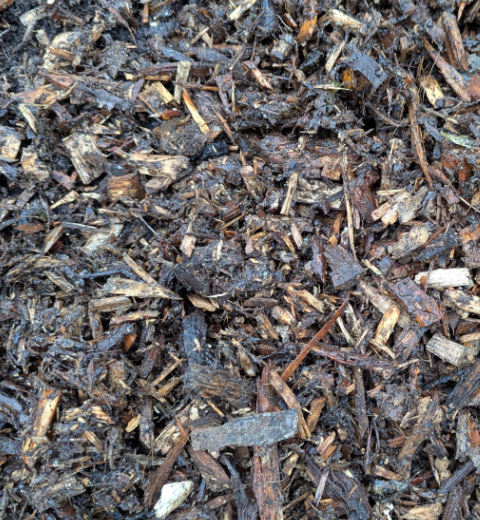
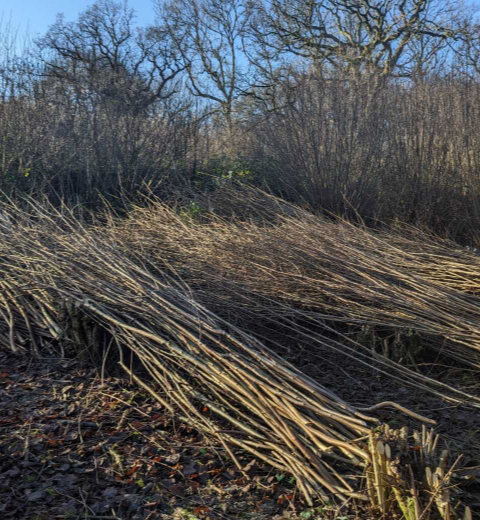
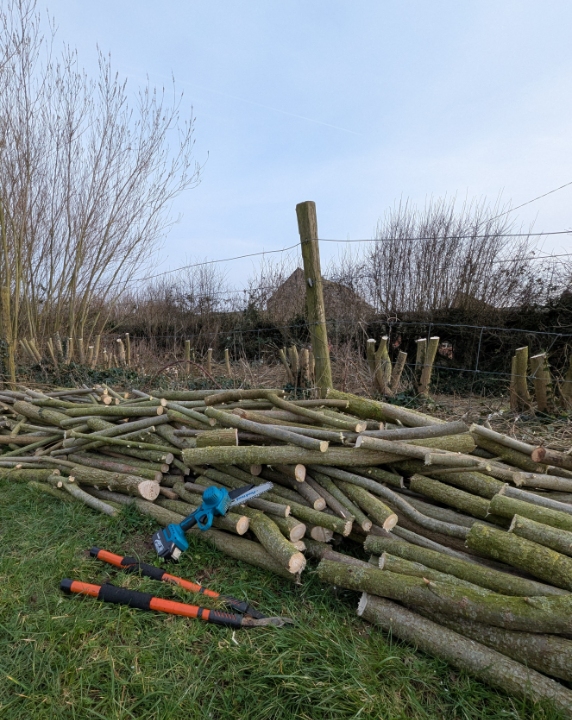
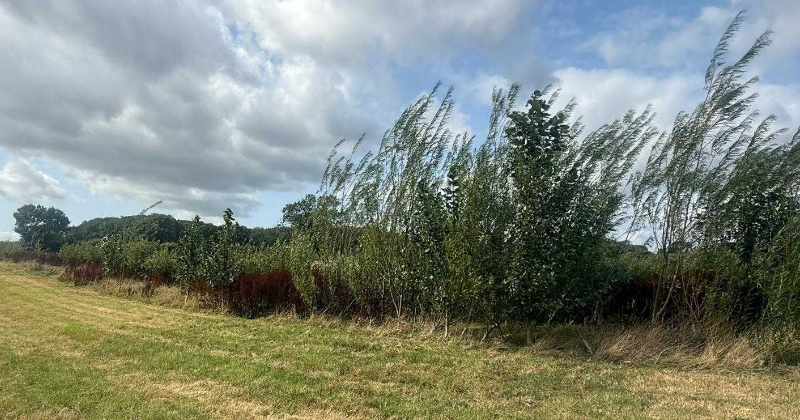
Modern pyrolysis units operate with very low emissions and extremely high efficiency. In the Clo Carbon Cymru system, all feedstock is sourced from sustainably managed farm woodlands, hedgerows and agroforestry systems, ensuring that carbon removal is directly linked to biodiversity gains and nature-positive land stewardship. Mobile pyrolysis units arrive at each farm with the aim of converting biomass into biochar at the point of harvest, avoiding transportation emissions. Every batch of biochar is tested to international standards to confirm carbon content, safety and stability.
Why Biochar Matters To Wales
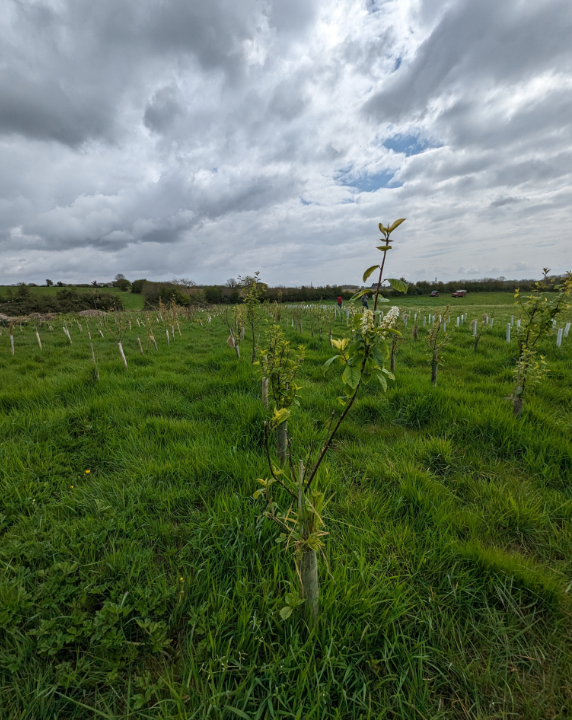
Wales is a nation of farms, woodlands and hedgerows — a landscape that naturally lends itself to regenerative, nature-based carbon removal. Biochar allows these systems to work harder for the climate, capturing carbon in trees and hedgerows, while turning part of that biomass into a long-term carbon store.
For farmers, biochar represents:
-
New Income Stream via the Carbon Lock Origin Certificate (CLOC) system
-
On-Farm Applications Ways to improve soils, water retention and animal health
-
Climate Resilience Methods of strengthening resilience against drought, flood and nutrient loss
-
Practical Environmental Action A route to participate directly in Wales’ transition to a low-carbon, nature-rich economy
Holistic Social Impact
Biochar production also results in new local skilled jobs, community wealth creation & supports delivery of the Welsh Government’s long-term environmental goals.
Uniquely Qualified, In-House
55+ Years of Biochar & Biocarbon Expertise Maximising Carbon Dioxide Removal Potential
Credentials:
-
Commercial biochar production since 1991
-
EU Commission Expert: Biofuels / Biocarbon / Pyrolysis
-
PhD, Hydrothermal processing / Torrefecation
Deliverables:
-
Lead the design and installation of £5m pyrolysis system, capable of producing 1 tonne of biochar per hour for over 8600hrs, annually
-
Designed & tested world’s 1st biochar-fuelled superheated steam generator, driving a 1.5kWhe micro-turbine
Setting new standards for biochar carbon removals
How we combine our knowledge, experience & values to deliver essential infrastructure for scaling high-integrity biochar CDR
Certified Consistency
The Carbon Lock Origin Certificate (CLOC) is the mechanism that turns verified biochar carbon storage into a trustworthy, transparent climate asset. Each CLOC represents one tonne of CO₂ removed from the atmosphere and locked away for at least 100 years.
High-Intergity
Every certificate is backed by rigorous measurements, laboratory testing, and independent verification aligned with ISO standards and the ICVCM Core Carbon Principles.
Regional Infrastructure
Unlike conventional offsets, CLOCs are designed for nation-based carbon insetting, meaning the financial benefits stay within Welsh communities. Businesses can support high-integrity climate action while investing directly in local biodiversity, regenerative agriculture and rural prosperity.
Equitable Impact
Biochar therefore becomes more than a carbon removal technology — it becomes part of a biogenic Welsh economy where farmers, landscapes and communities all benefit from climate action.
Explore Biochar With Us...
Partnerships established now secure both preferential access & terms for CLOC procurement & offtake agreements.